Join as contractor

Install collaboration and partnership
The ELEVIA brand (backed by Parlar Industrial Group) invites specialists, technicians, and teams active in electronics and clean-energy systems to join its national service network for smart living and home solar plants. As an authorized Elevia contractor, you get specialized training, direct access to advanced local equipment, and ongoing technical support while helping deliver a secure, lasting experience for end customers.

Support & Guidance
We are here for you
On the path to smarter living, you are not alone. Elevia experts value your time and peace of mind and are ready to answer your questions carefully. Count on us for a smarter choice.

Sales and support:
041-51611111

Email:
energy@elevia.ir

Social networks:



Solar power for agricultural land
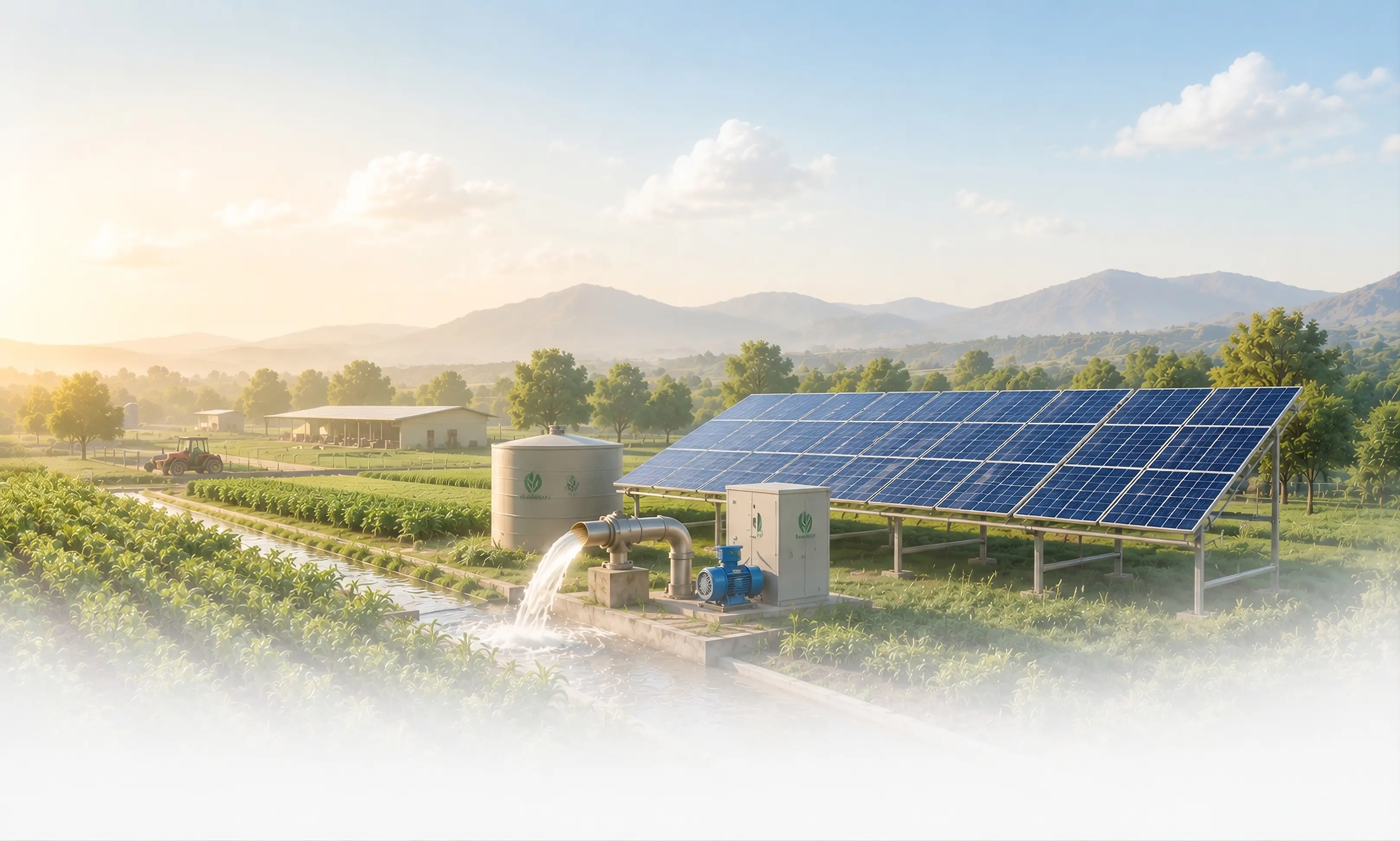
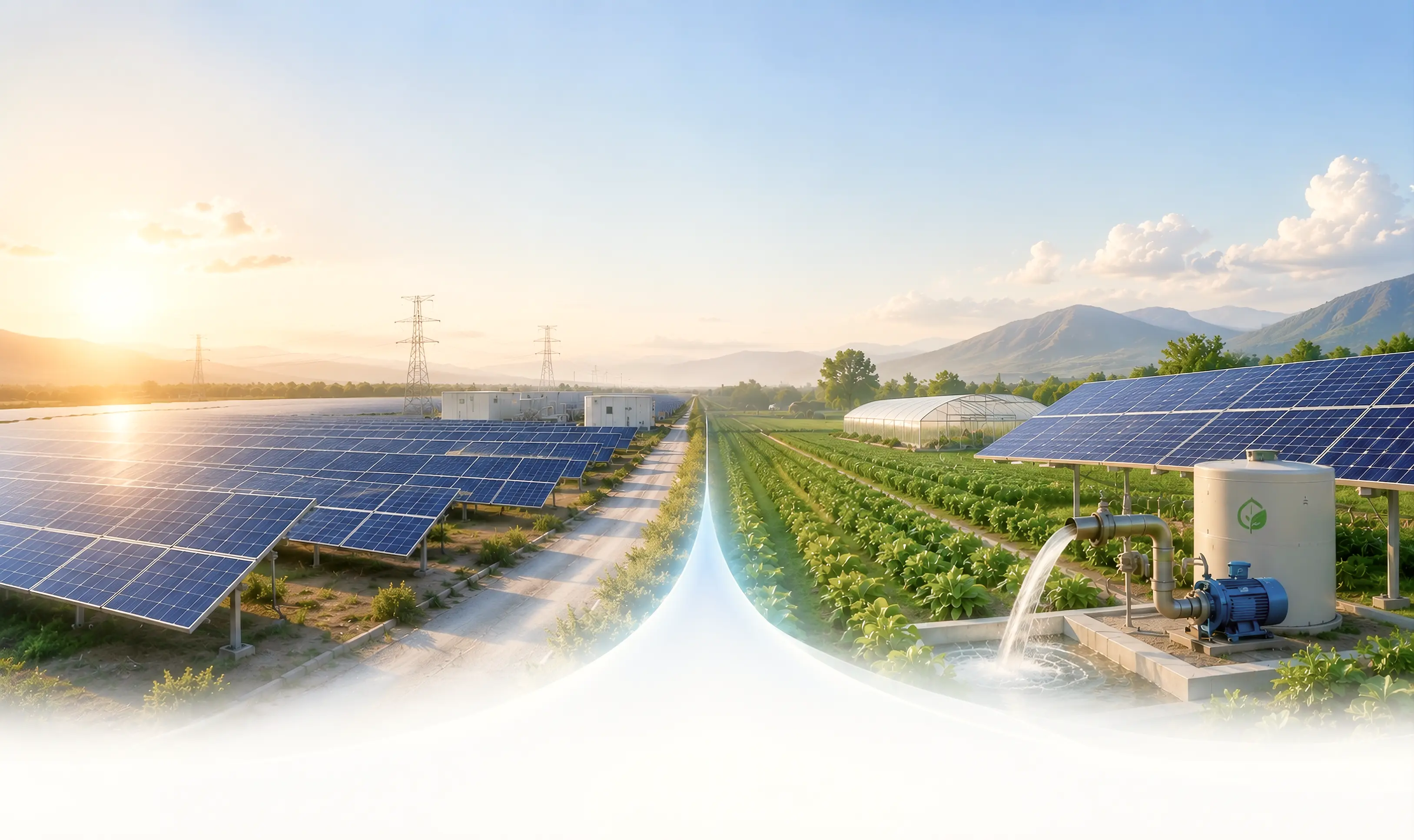
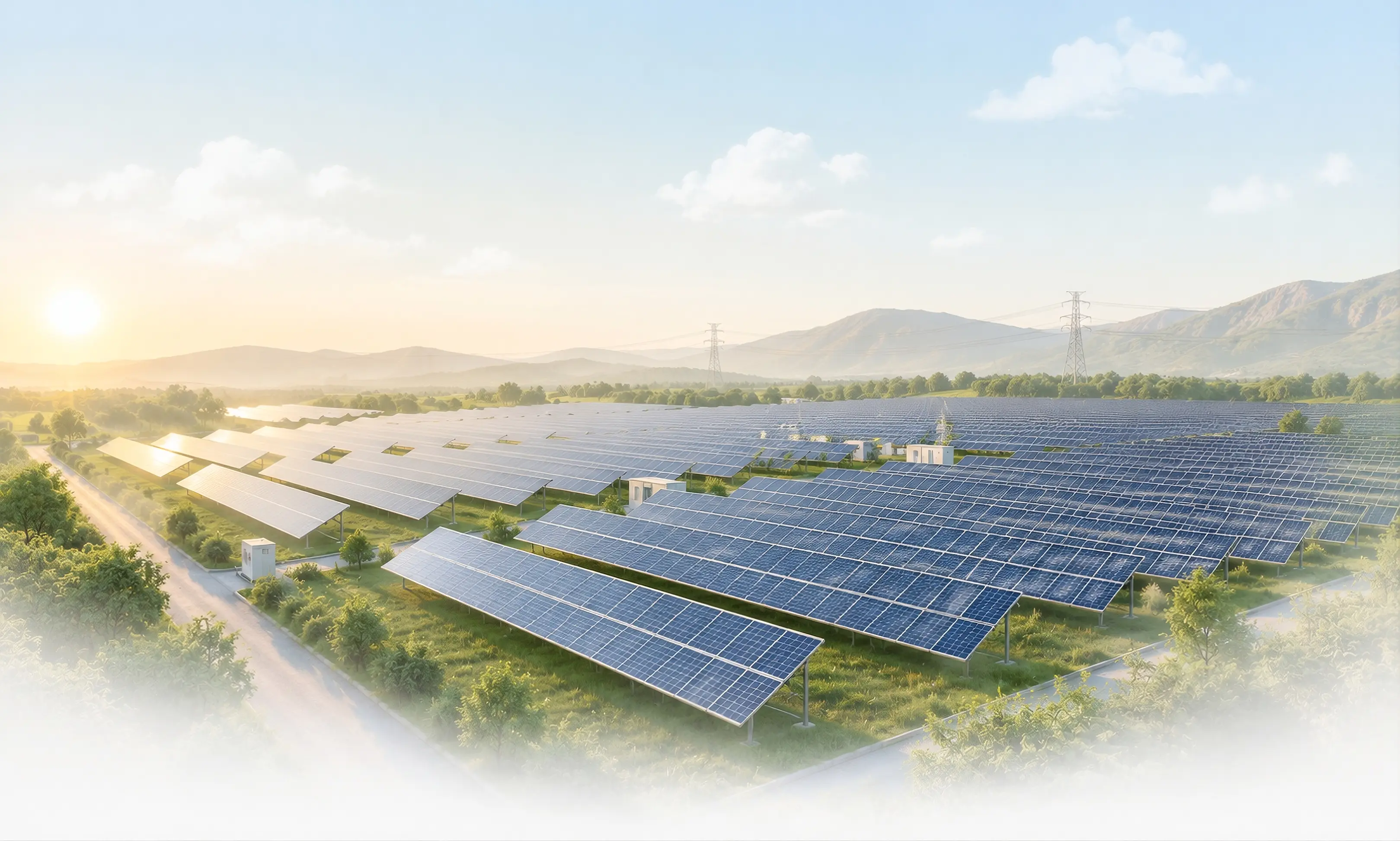
Using solar energy on farmland is a way to power equipment and reduce dependence on the grid. Agricultural solar panels can be used in a range of projects, from powering equipment and facilities to running water pumps and irrigation systems. A suitable solar system should be designed based on factors such as irradiance, consumption capacity, available space, equipment type, and the project's technical conditions. For that reason, choosing the number and wattage of panels based only on land area or the panel's rated power is not enough; plant capacity should match the farm's actual needs. If your goal is to build a solar plant on agricultural land, a technical site survey and proper system design can help you make better use of the land and solar resource.
Why solar plants for the farm?

Power for production
Energy for pumps and irrigation

Lower costs
Better management of farm electricity costs

Financing and facilities
A simpler path to investment

Built for the farm
Designed around each farm's real needs
Solar plants for agricultural wells
One of the main uses of solar energy in agriculture is powering agricultural wells and water pumps. In this type of project, a solar plant uses solar panels and energy conversion and control equipment to supply the pumping system and can reduce dependence on grid electricity. A solar plant for an agricultural well should be designed based on pump specs, motor power, water flow rate, pumping head, operating hours, and regional irradiance; therefore a single fixed capacity cannot be recommended for every well. If you are looking for the cost of installing solar panels for an agricultural well or want to assess a solar system for your water pump, the well's technical specs and existing equipment should be reviewed first so the right capacity and an economical solution can be determined.